
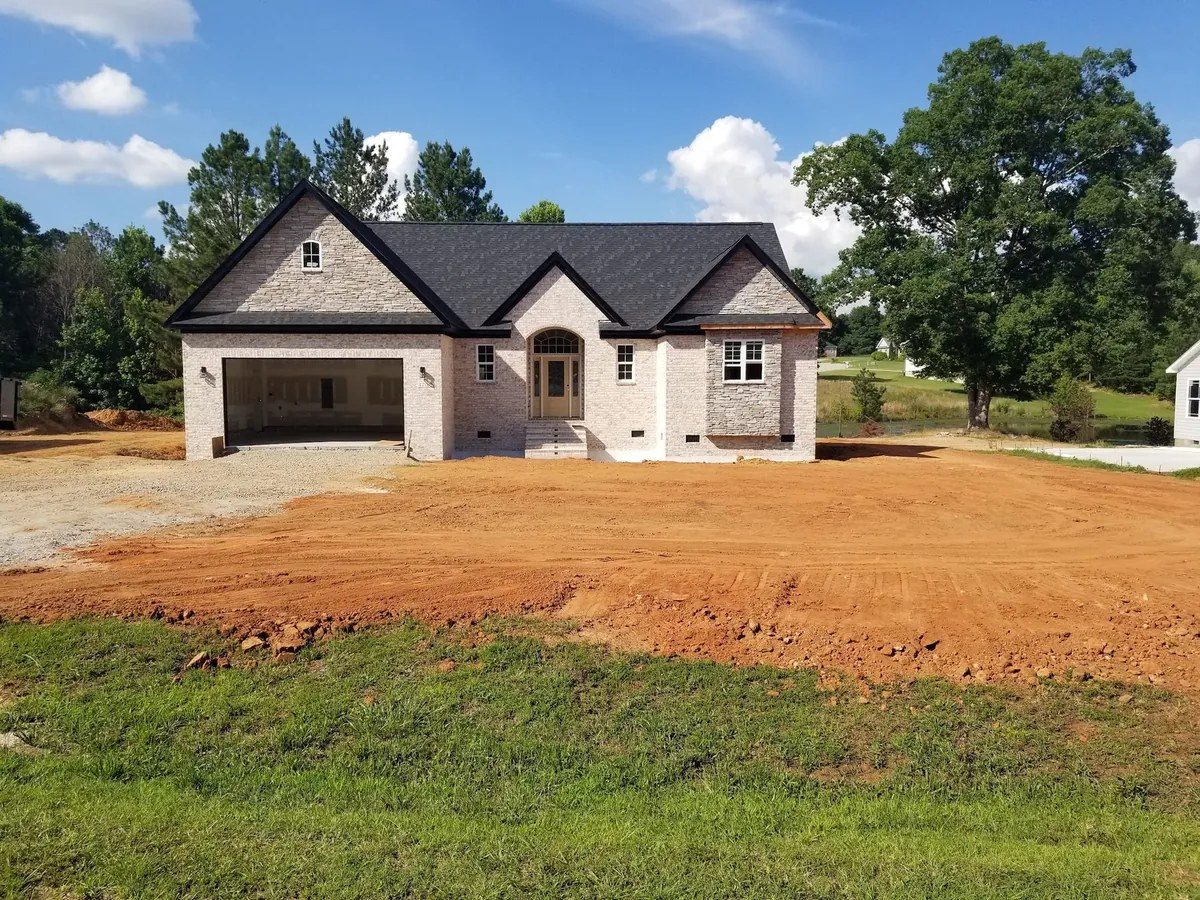
A concrete vapor barrier for a residential slab in Spartanburg, SC is not a detail that gets easier to fix after the fact, it has to be right before the truck arrives. The concrete itself gets most of the attention: the mix, the finish, the cure time. But what goes beneath the slab quietly determines whether the floor above it stays dry for decades or starts causing problems within a few years of a family moving in.
Fall in Spartanburg and the surrounding Upstate SC area is a transitional season in ways that matter to concrete work. The soil is coming off a summer that typically delivers significant rainfall. It holds that moisture. Then temperatures drop, air pressure shifts, and that stored ground moisture starts moving, and the path of least resistance is often straight up through a new slab.
If you are planning a garage slab, a home addition, or any residential concrete pour this fall, understanding the vapor barrier is not optional reading. It is the difference between a slab that works and one that quietly fights your finished floors for years.
#What Does a Concrete Vapor Barrier Actually Do?
A vapor barrier blocks moisture vapor from migrating upward through the concrete from the soil below. Concrete is porous. Even a well-poured, well-cured slab will transmit moisture vapor if there is nothing beneath it stopping that movement.
The barrier itself is typically a polyethylene sheet, placed on top of the prepared subgrade before the concrete is poured. Once the slab cures over it, the sheet sits permanently between the earth and the structure above. It does not stop liquid water from flooding, that is a drainage problem. What it stops is the steady, invisible movement of moisture vapor that saturated soil emits year-round.
Moisture vapor moves from areas of high concentration to low concentration. In fall and winter, the soil below a slab often holds more moisture than the interior air above it. Without a barrier, that vapor moves up through the slab and into whatever flooring sits on top of it.
The materials used matter. Vapor barriers are rated by permeance, measured in perms. According to the U.S. Environmental Protection Agency, controlling moisture at the source is the most effective strategy for preventing mold in residential construction, and a properly rated sub-slab vapor barrier is a primary line of defense. A Class I vapor retarder has a permeance rating of 0.1 perms or less, which is what most residential slab applications call for. Thicker polyethylene sheeting, typically 10 mil or 15 mil, reaches that threshold. Thin poly film does not, even if it looks similar on the roll.
#How Does Fall Soil Moisture in Upstate SC Make This More Relevant?
Spartanburg County sits in the Piedmont region where summer rainfall totals are consistently high, and the clay-heavy soils common in this area retain water well past the last rain event. By the time October arrives, the ground is often heavily saturated several feet down.
When air temperatures drop and the ground begins to cool more slowly than the air above it, a temperature gradient forms: warm, moist soil below, cooler drier air above. That gradient drives moisture vapor upward. A slab poured directly onto saturated Upstate SC soil in October or November without a properly installed vapor barrier is sitting on top of a slow, steady source of interior humidity.
This does not show up as a puddle. It shows up six months later as a hardwood floor that has cupped at the edges, a vinyl plank installation that has lifted at the seams, or a basement gym where the rubber flooring smells like a locker room. The origin is the slab, and the slab's origin is what was done underneath it before the concrete truck arrived.
#What Happens When a Vapor Barrier Is Skipped or Done Wrong?
The failure is rarely immediate. A homeowner finishes a basement or closes in a garage and puts down flooring. Everything looks fine. Then a year or two later, moisture damage appears and nobody connects it to a construction decision made before the slab was even poured.
- Hardwood and engineered wood floors cup, warp, or buckle when moisture migrates through the slab beneath them.
- Adhesive used to bond tile or vinyl to the slab can soften and fail as vapor accumulates between the flooring and concrete.
- Mold and mildew develop under carpet or floating floors where vapor condenses in a layer that never gets air circulation.
- Concrete itself can suffer efflorescence, the white mineral deposits you see on slab surfaces, which is a visible sign of moisture moving through the material.
The other common failure point is seam overlap. A vapor barrier that is not lapped at least six inches at every seam, and sealed at penetrations and edges, might as well have gaps in it. Moisture finds the path of least resistance, and an unsealed seam is exactly that.
| Option | Typical Thickness | Performance Level | Common Use Case |
|---|---|---|---|
| Standard polyethylene film | 6 mil | Lower; may not reach Class I perm rating | Utility or unfinished slabs with minimal moisture exposure |
| Heavy-duty polyethylene sheeting | 10 mil to 15 mil | Higher; reaches Class I vapor retarder threshold | Residential finished space slabs, garages, additions |
#Where Should the Vapor Barrier Be Placed Relative to the Slab?
Directly under the concrete is the right answer, and it is worth being specific about this because an older practice placed a layer of sand between the barrier and the slab. The idea was to protect the poly during the pour and give bleed water somewhere to go.
The American Concrete Institute updated its guidance on this. Placing sand between the barrier and the slab traps moisture in that sand layer and keeps it directly against the underside of the concrete for an extended period. The result is a slab that takes much longer to dry and that starts its life wetter than it needs to be. Current best practice for residential slabs is barrier directly on the subgrade, slab poured directly on top of the barrier.
During a fall pour, the subgrade itself should be checked for standing water or soft spots before the barrier goes down. A barrier laid over a wet subgrade is still better than no barrier, but proper grading and drainage of the site before the pour reduces the total moisture load the barrier has to manage long-term.
#Does the Rest of the Slab Prep Still Matter If You Have a Good Vapor Barrier?
Yes. The vapor barrier is one layer of a system, not a substitute for getting the rest of the work right. Grading the site so that surface water drains away from the slab area matters. Compacting the subgrade matters. The concrete mix design and water-to-cement ratio matter, because a wetter mix takes longer to cure and starts with more internal moisture.
A properly installed vapor barrier under a well-prepped subgrade, under a correctly mixed and finished slab, is what gives a residential concrete floor its